Understanding Near Field Communication
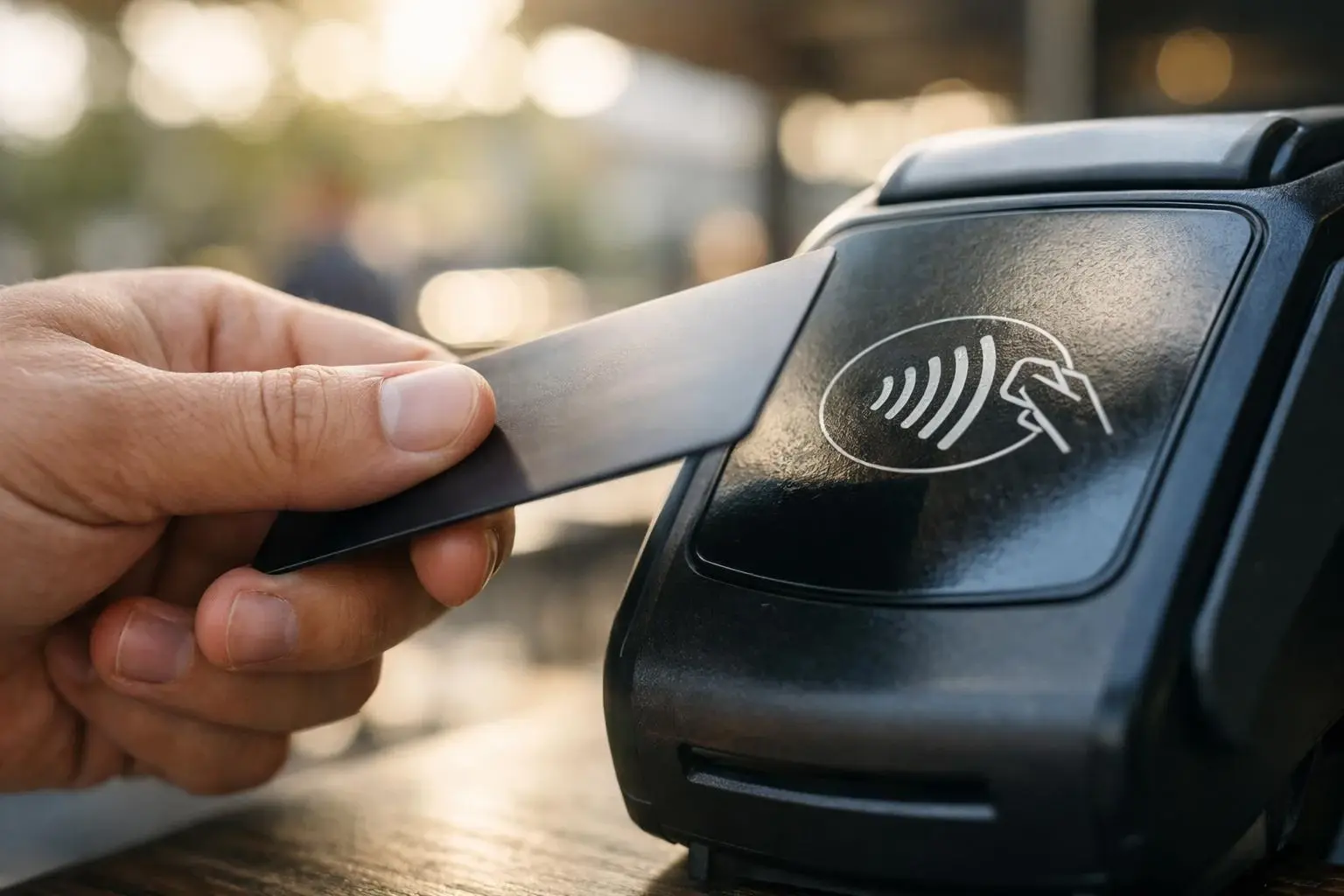
Near Field Communication, commonly abbreviated as NFC, is a wireless communication standard that allows devices to exchange data when they're placed close together—typically within 4 centimeters of each other. Unlike Bluetooth or Wi-Fi, NFC doesn't require manual pairing or complex setup. Instead, it uses electromagnetic induction to create a connection instantly, making it ideal for quick, secure interactions like contactless payments, transit fare collection. And access control systems.
Related glossary terms: Payment Processor, Tokenization, Encryption.
NFC technology is based on radio-frequency identification (RFID) but operates at a higher frequency (13.56 MHz) and includes additional protocols for secure data exchange. It supports three distinct modes: reader/writer, peer-to-peer. And card emulation. In reader/writer mode, an NFC-enabled device can read information from passive tags, such as those embedded in posters or product labels. Peer-to-peer mode allows two active devices, like smartphones, to exchange data bidirectionally. Card emulation mode enables a device to act like a contactless smart card, which is how mobile wallets like Apple Pay and Google Pay work.
How Near Field Communication Works?
Near Field Communication relies on a simple but precise physical principle: when two NFC-enabled devices are brought close together, an electromagnetic field is generated between them. This field powers passive NFC tags (like those in stickers or cards) and facilitates data transfer between active devices (such as smartphones and payment terminals). The communication is half-duplex, meaning data flows in one direction at a time. But it switches so quickly that users experience it as instantaneous.
The technology uses a standardized protocol stack defined by the NFC Forum, an industry association that ensures interoperability across devices and manufacturers. Key components include the NFC Data Exchange Format (NDEF), which structures the data being transmitted. And security layers like encryption and tokenization, which protect sensitive information during payment transactions. For example, when a customer taps a phone at a payment terminal, the NFC chip in the phone transmits a one-time token instead of the actual credit card number, reducing the risk of fraud.
NFC operates at low power, making it suitable for battery-powered devices like smartphones, smartwatches. And key fobs. It does not require an internet connection to function, which is why it works even when a device is offline—such as when making a payment in a subway station or unlocking a door with an NFC-enabled badge.
Why Near Field Communication Matters?
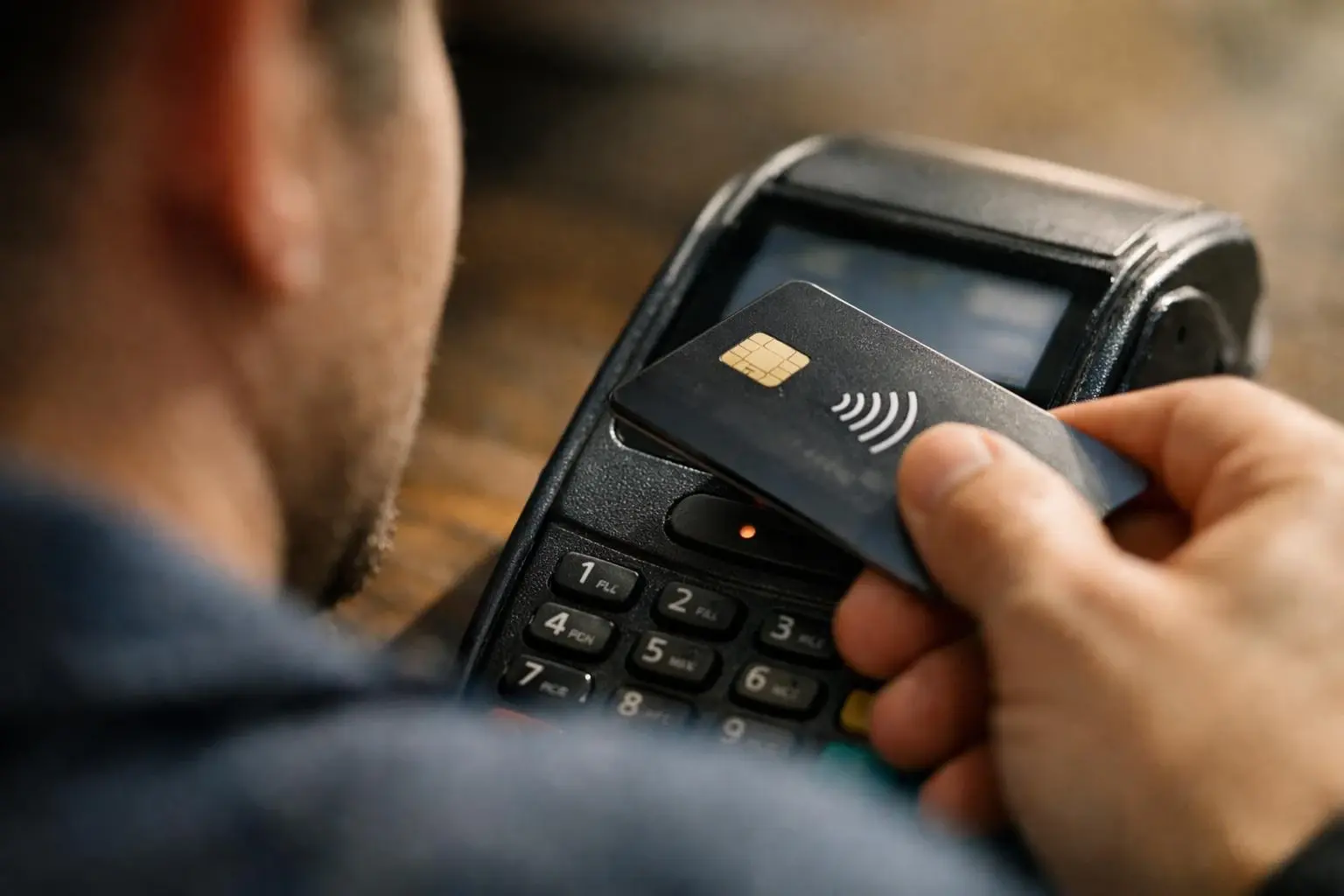
Near Field Communication has become a cornerstone of modern payment systems because it balances convenience with security. Consumers benefit from faster checkout experiences—no swiping, inserting. Or entering PINs. While merchants reduce transaction times and improve throughput at checkout counters. For businesses, NFC-enabled terminals can accept payments from both physical cards and mobile wallets, broadening their customer base and reducing reliance on cash.
Beyond payments, NFC enhances security in access control systems. Offices, hotels. And secure facilities use NFC badges or smartphone apps to grant entry, replacing traditional keys or magnetic stripe cards. Unlike older technologies, NFC supports encryption and dynamic authentication, making it harder to clone or intercept. And NFC enables quick device pairing, such as connecting a smartphone to a Bluetooth speaker or sharing Wi-Fi credentials, without requiring users to navigate complex menus or enter passwords.
When Near Field Communication Matters Most?
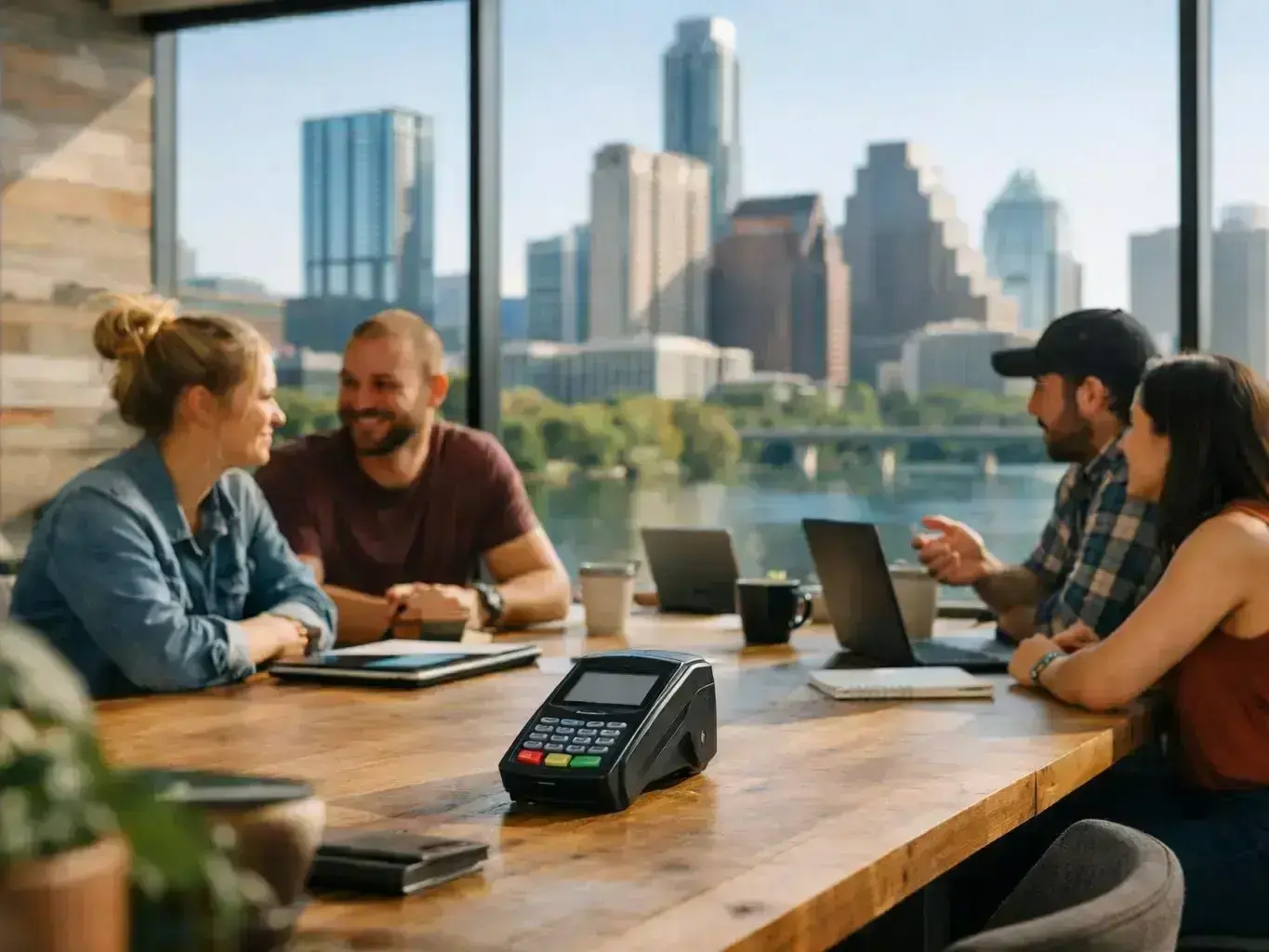
Near Field Communication is most critical in environments where speed, security. And ease of use are essential. Retail stores, restaurants. And transit systems rely on NFC to process payments quickly, especially during peak hours when long lines can frustrate customers. In Austin, TX, where tech-savvy consumers and businesses prioritize efficiency, NFC-enabled payment terminals are increasingly common at food trucks, farmers' markets. And boutique shops.
NFC also plays a vital role in event management and ticketing. Concert venues, sports stadiums. And conferences use NFC wristbands or mobile tickets to simplify entry, reduce fraud. And enable cashless purchases within the venue. For merchants processing high volumes of small transactions, such as coffee shops or convenience stores, NFC reduces wear and tear on physical terminals and minimizes errors associated with manual entry.
Security-sensitive applications, such as corporate access control or healthcare patient identification, also depend on NFC. Because the technology operates over such a short range, it's inherently resistant to remote attacks like skimming, which can affect RFID or Bluetooth systems. But businesses must still ensure their NFC-enabled devices comply with Payment Card Industry Data Security Standard (PCI DSS) requirements to protect customer data.