Contact
Request Credit Card Processing in Austin, TX
Get approved in hours and start accepting payments faster.
Ready to simplify your payment processing?

Whether you're a downtown Austin café, a Round Rock retail store, or a high-risk ecommerce brand, finding the right payment processing solution is key to smooth transactions and happy customers. Here’s what local businesses ask most when comparing options in Central Texas.
Credit card processing fees for Austin small businesses usually range from 2.3% to 3.5% per transaction. Rates depend on your sales volume, card type (debit vs. credit), and whether transactions are swiped, dipped, or keyed in. Local providers often offer interchange-plus pricing for transparency, letting you see exact card network costs plus a small markup.
Most Austin credit card processors can approve and activate your account within 24–48 hours. Fast approval depends on submitting accurate business documents (EIN, bank account, voided check) and passing risk review. Some providers offer same-day virtual terminals so you can start accepting payments immediately while hardware ships.
Local Austin processors often provide personalized support, Texas-specific compliance guidance, and tailored pricing for high-volume or high-risk businesses. National providers like Square offer plug-and-play simplicity but may lack local fraud insights or dedicated account management. Consider your need for customization, local support, and integration with Austin-based POS systems.
To open a merchant account in Austin, you’ll typically need your business EIN, Texas sales tax permit, voided business check, and government-issued ID. High-risk businesses may also need processing statements from previous providers. Local processors can guide you through Texas-specific requirements like alcohol sales permits if applicable.
Most businesses receive approval within hours of submitting a secure online application.
ACH payments through Austin providers typically settle in 1–3 business days. Same-day ACH is available for urgent transactions, though fees may apply. Local processors often offer batch processing to align with Texas state payroll cycles or recurring billing schedules.
Yes, Austin ACH payment processors support both one-time and recurring transactions. This includes subscriptions, memberships, and automated bill pay for Texas-based utilities or service providers. Look for providers that integrate with QuickBooks or Xero for seamless accounting reconciliation.
Most Austin ACH processors do not charge extra fees for businesses in Round Rock or Pflugerville. However, some may require additional verification for out-of-city accounts. Always confirm whether on-site support or hardware delivery incurs travel fees for suburban locations.
ACH processing in Austin is ideal for bank-to-bank transfers, while eCheck processing is better for customer-initiated payments via a virtual check. ACH is faster and cheaper for businesses, while eChecks offer fraud protection tools like check verification. Local providers can help you choose based on your customer payment preferences.
ACH Payment Processing cuts fees by up to 80% compared to credit cards because it bypasses card networks. Credit card fees: 2.5–3.5% per transaction ACH fees: 0.2–1% per transaction Savings add up quickly for businesses processing $10K+ monthly This is especially valuable for Austin’s startups and high-volume retailers.
Standard credit card payment processing packages in Austin include a merchant account, payment gateway access, and PCI compliance tools. Most providers also offer free virtual terminals, fraud detection, and next-day funding. Hardware like card readers or POS systems may be included or available for lease.
Many Austin credit card processors offer month-to-month contracts, especially for small businesses or startups. Long-term contracts may come with lower rates or free hardware but can include early termination fees. Local providers often tailor contract terms to your sales volume and business stability.
Most Austin credit card processors support omnichannel payments, including in-store, online, and mobile transactions. Look for providers that offer unified reporting and inventory sync between channels. Local processors often integrate with Texas-based ecommerce platforms like Shopify or WooCommerce.
Legitimate Austin credit card processors are registered with the Texas Secretary of State and have verifiable client reviews. Check for PCI compliance certification, transparent pricing, and local office addresses. Avoid providers that demand upfront fees or pressure you into long-term contracts without clear terms.
Austin’s tech-driven economy demands scalable, secure payment solutions. Startups and eCommerce businesses require PCI-compliant processing, seamless software integration, and fraud protection to compete in this fast-growing market. CreditCardProcessing-Austin.com tailors solutions to Austin’s unique needs, including high-risk merchant accounts and mobile payment options. .
eCheck processing in Austin converts paper checks into electronic payments, while ACH transfers funds directly between bank accounts. eChecks are customer-initiated and include fraud tools like check verification, while ACH is better for recurring or batch payments. Local providers can help you choose based on your transaction volume and risk tolerance.
Most Austin eCheck processors settle funds in 2–3 business days, unlike credit card processors that offer next-day funding. Some providers offer expedited options for an additional fee. Check whether your processor supports Texas-specific banking cutoffs for faster settlement.
Texas requires eCheck processors to comply with state consumer protection laws, including clear disclosure of fees and refund policies. Local providers handle compliance for you, but you should still verify that your processor follows Texas Finance Code Chapter 342 for deferred presentment transactions.
Austin eCheck processors typically offer fraud tools like check verification, address validation, and negative database screening. Some providers also include real-time monitoring for suspicious transactions. Ask whether your processor supports Texas-specific fraud patterns, such as out-of-state check scams targeting local businesses.
eCheck Payment Processing reduces transaction fees by up to 50% compared to credit cards, as ACH transfers have lower processing costs. This is especially beneficial for Austin’s tech startups and high-volume retailers looking to maximize profits.
High-risk industries in Austin include CBD, adult entertainment, affiliate marketing, and travel services. Local processors specialize in these niches, offering tailored underwriting and fraud tools to meet Texas regulatory requirements. Other high-risk categories include subscription boxes and debt collection.
Yes, Austin high-risk merchant processors typically charge higher fees due to increased fraud and chargeback risks. Rates may range from 3.5% to 6% per transaction, with additional rolling reserves or monthly minimums. Local providers often offer competitive rates for Texas-based high-risk businesses.
The first step is submitting a detailed application with your business model, processing history, and Texas sales tax permit. High-risk providers may require additional documents like website screenshots or marketing materials. Local processors can guide you through Texas-specific compliance requirements.
Yes, Austin high-risk merchant processors offer chargeback protection tools like fraud filters, velocity controls, and dispute resolution assistance. Some providers include chargeback insurance for Texas-based businesses. Ask whether your processor offers real-time alerts for suspicious transactions.
Businesses in regulated industries like CBD, adult entertainment, and affiliate marketing face account freezes or rejections from standard processors. High-risk merchant processing provides secure, compliant solutions tailored to these sectors.
Austin merchant account services typically include a dedicated merchant account, payment gateway access, and PCI compliance tools. Most providers also offer free virtual terminals, fraud detection, and next-day funding. Payment gateways may be included or available as an add-on for online transactions.
Yes, you need a business bank account in Austin (or anywhere in the U.S.) to receive funds from your merchant account. Local providers often partner with Texas-based banks for faster setup. Your merchant account and business bank account must be under the same legal business name.
Avoid hidden fees by choosing Austin merchant account providers with interchange-plus pricing and transparent contracts. Ask for a full fee schedule upfront, including monthly minimums, PCI non-compliance fees, and chargeback costs. Local providers often offer flat-rate pricing for small businesses.
Yes, several Austin merchant account providers have operated for over 10 years, offering stability and local expertise. Look for providers with Texas-based support teams and verifiable client testimonials. Established local providers often have deeper relationships with Texas banks for faster approvals.
Tech startups, CBD retailers, and eCommerce businesses in Austin benefit most. These sectors need secure, compliant payment processing with fraud detection to handle high transaction volumes and reduce chargebacks. Tech startups require fast approvals for SaaS platforms. CBD retailers need high-risk accounts with transparent underwriting. eCommerce businesses demand seamless integration with shopping carts. .
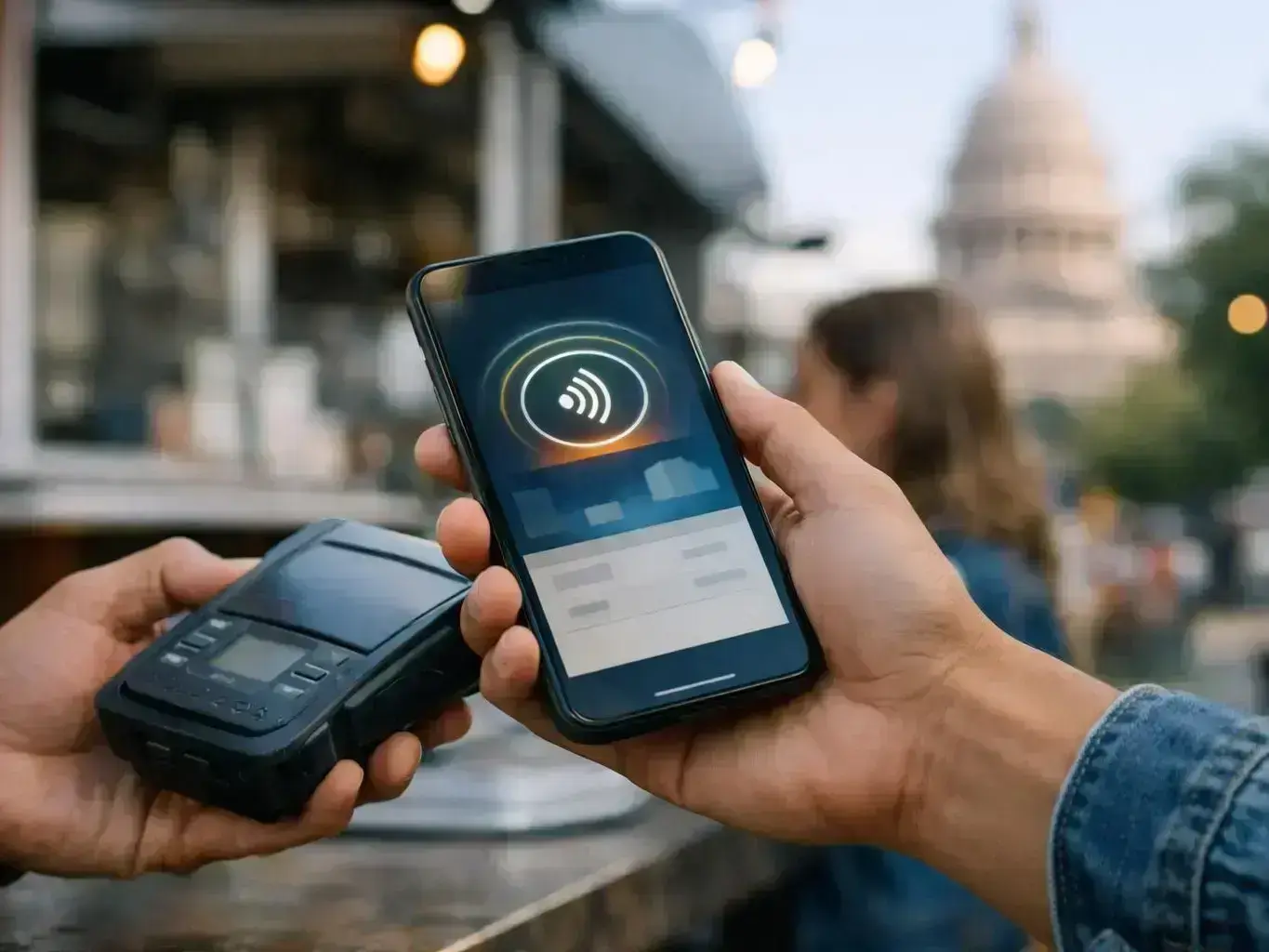
Most Austin mobile credit card processors do not charge extra for contactless payments. Contactless transactions (via NFC) typically incur the same fees as swiped or dipped transactions. Local providers often include free contactless-enabled card readers with mobile processing packages.
The best mobile credit card processing for Austin food trucks includes rugged, battery-powered card readers and offline mode for festivals. Local providers offer integrations with Texas-specific POS systems like Toast Go or Square for Food Trucks. Look for providers with fast funding and low swipe fees for high-volume sales.
Most Austin mobile credit card processors include a free app for processing payments, inventory tracking, and receipts. Some providers offer SDKs for custom app integration. Local providers often support Texas-specific features like split payments or tipping for service-based businesses.
Yes, you can use mobile credit card processing in Austin without a website. Many local providers offer virtual terminals, invoicing tools, and text-to-pay options for service businesses. Mobile processing is ideal for contractors, salons, or consultants who take payments on-site.
Austin’s economy is dominated by startups, retail stores, and high-risk industries like CBD and affiliate marketing. These businesses need fast approvals, seamless software integration, and fraud protection tailored to their unique risks. Mobile & Contactless Processing supports their growth by providing compliant, scalable solutions.
Online credit card processing in Austin handles the entire transaction flow, while a payment gateway securely transmits card data to the processor. You need both: the gateway encrypts data, and the processor approves and settles funds. Local providers often bundle them for seamless ecommerce integration.
Yes, Austin online credit card processors support recurring billing for subscriptions, memberships, and installment plans. Local providers offer customizable billing cycles, automatic retries for failed payments, and dunning management. Look for integrations with Texas-based subscription platforms like Chargebee or Recurly.
Yes, Austin online credit card processors typically charge higher fees for international transactions due to currency conversion and cross-border risks. Fees may range from 1% to 3% above domestic rates. Local providers can help you set up multi-currency accounts to reduce costs for Texas-based ecommerce stores.
The first step is choosing an Austin online credit card processor that integrates with your ecommerce platform (Shopify, WooCommerce, etc.). You’ll need a merchant account, payment gateway, and SSL certificate. Local providers can guide you through Texas-specific compliance and fraud prevention tools.
Austin’s tech-driven economy increases demand for fast, scalable payment solutions. Startups and SaaS businesses need processors that integrate with billing platforms and handle high transaction volumes, while retail stores require mobile and contactless payment options to serve tech-savvy consumers.
Austin payment gateway services include secure card data transmission, fraud detection, and integration with ecommerce platforms. Most providers offer tokenization, recurring billing, and multi-currency support. Local gateways often include Texas-specific features like Lone Star Card compatibility.
Yes, you need a merchant account to use a payment gateway in Austin. The gateway transmits card data to the processor, while the merchant account approves and settles funds. Some providers offer bundled solutions, while others require separate accounts. Local providers can help you set up both.
You can use Austin payment gateways for both online and in-person transactions. Some providers offer virtual terminals for keyed-in sales or mobile SDKs for in-store checkout. Local gateways often integrate with Texas-based POS systems for seamless omnichannel payments.
Austin payment gateway providers handle PCI compliance by encrypting card data, offering tokenization, and providing SAQ (Self-Assessment Questionnaire) tools. Most include PCI compliance fees in their pricing. Local providers often offer guided compliance support to meet Texas-specific requirements.
Payment Gateway Services reduce chargebacks by implementing fraud detection, 3DS2 authentication, and real-time monitoring. These tools verify customer identity and flag suspicious transactions, protecting Austin merchants from fraudulent disputes.
Get approved in hours and start accepting payments faster.
Ready to simplify your payment processing?