Understanding Payment Processor
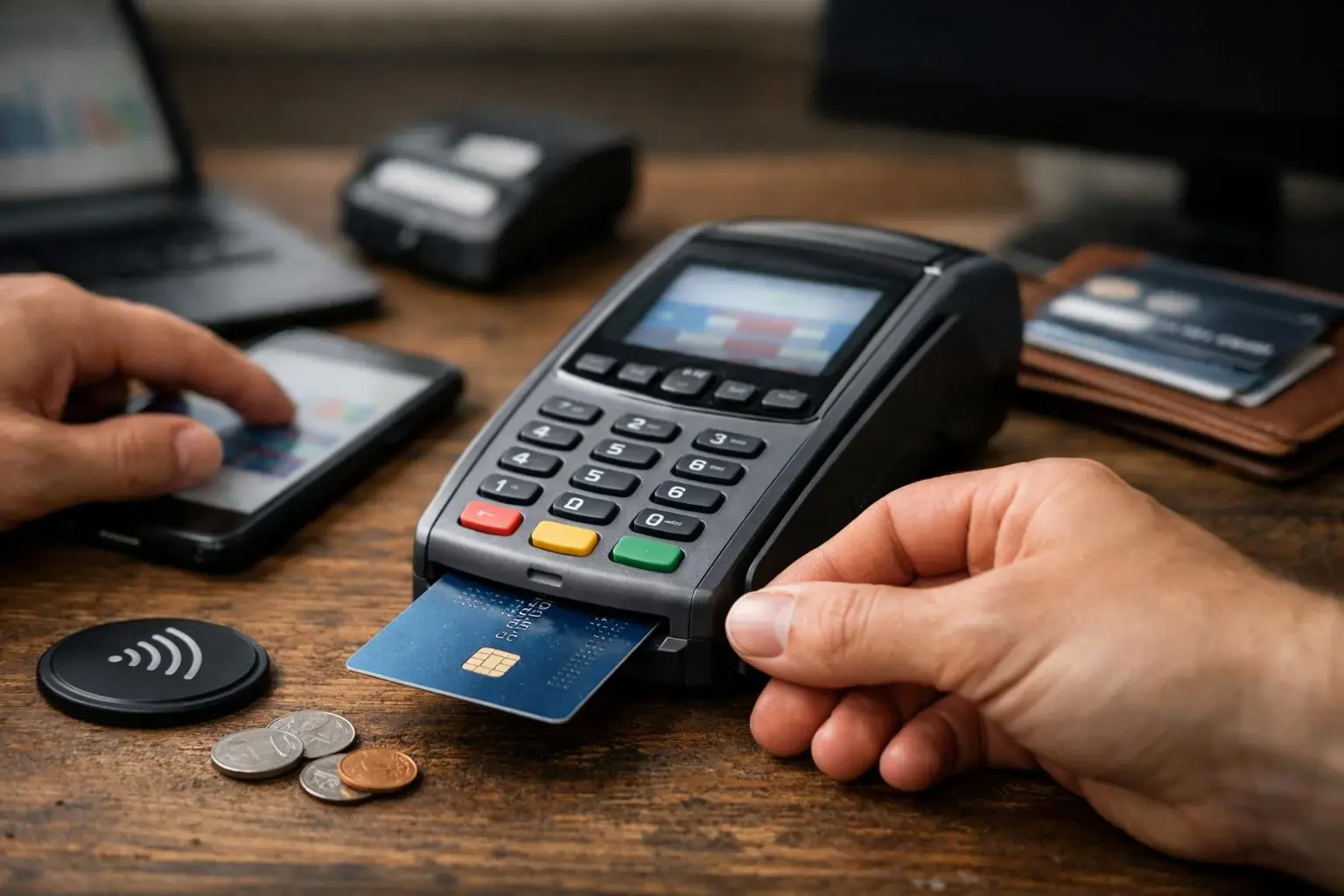
A Payment Processor is a specialized service provider that facilitates the transfer of funds during electronic transactions. When a customer swipes a credit card, taps a mobile wallet. Or enters card details online, the Payment Processor receives the transaction details from the merchant’s point-of-sale system or payment gateway. It then routes this information through the card networks (such as Visa, Mastercard. Or American Express) to the customer’s issuing bank for authorization. Once approved, the Payment Processor ensures the funds are transferred from the customer’s account to the merchant’s account, typically within one to two business days.
Related glossary terms: Payment Card Industry Data Security Standard, Settlement, Tokenization.
Payment Processors operate behind the scenes, handling complex technical and financial workflows that merchants can't manage independently. They integrate with payment gateways, merchant accounts. And banking systems to create a smooth flow of data and money. Without Payment Processors, businesses would be unable to accept electronic payments efficiently or securely, limiting their ability to serve customers who prefer cashless transactions.
How Payment Processor Works?
The workflow of a Payment Processor involves several key steps, each critical to completing a transaction. First, the customer initiates a payment by presenting their card or digital wallet at the point of sale or entering details online. The merchant’s system sends this information to the Payment Processor, which then forwards it to the appropriate card network. The network routes the request to the customer’s issuing bank, which checks for available funds, fraud risks. And account status. If approved, the bank sends an authorization code back through the network to the Payment Processor, which relays it to the merchant.
After authorization, the Payment Processor batches approved transactions and submits them for settlement at the end of the business day. During settlement, the processor coordinates the transfer of funds from the issuing banks to the merchant’s acquiring bank, minus any fees. The acquiring bank then deposits the net amount into the merchant’s account. Throughout this process, the Payment Processor also performs fraud detection, compliance checks. And reporting to ensure transactions meet regulatory and security standards.
- Authorization: Verifies the customer’s ability to pay and reserves the funds.
- Batching: Groups approved transactions for efficient settlement.
- Settlement: Transfers funds from the customer’s bank to the merchant’s bank.
- Funding: Deposits the net amount into the merchant’s account, typically within 1-2 days.
Why Payment Processor Matters?
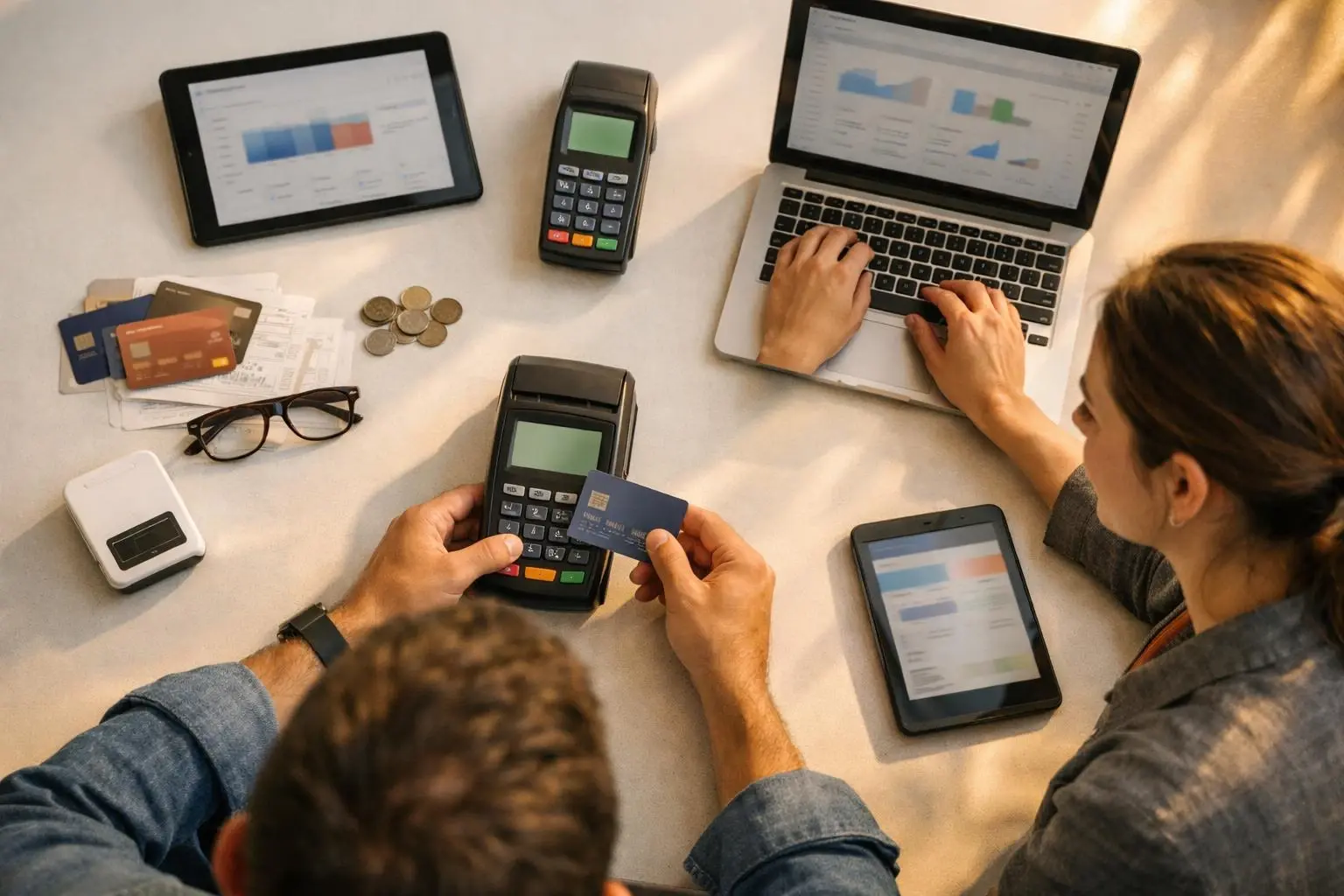
Payment Processors play a vital role in the modern economy by enabling businesses of all sizes to accept electronic payments. For merchants, the ability to process credit cards, debit cards. And digital wallets expands their customer base and increases sales opportunities. Customers expect the convenience of cashless payments. And businesses that cannot offer these options risk losing sales to competitors. And Payment Processors handle the technical and security complexities of payment processing, allowing merchants to focus on their core operations rather than managing financial infrastructure.
Beyond convenience, Payment Processors also provide critical security and fraud prevention services. They comply with industry standards like the Payment Card Industry Data Security Standard (PCI DSS), which protects sensitive cardholder data from breaches. By using encryption, tokenization. And real-time fraud detection, Payment Processors reduce the risk of chargebacks, data theft. And financial losses for merchants. Without these protections, businesses would face higher risks of fraudulent transactions and regulatory penalties.
When Payment Processor Matters Most?
Payment Processors become especially important in situations where speed, security. And reliability are critical. For example, high-volume businesses, such as retail stores, restaurants. And e-commerce websites, rely on Payment Processors to handle thousands of transactions daily without delays or errors. A slow or unreliable processor can lead to declined transactions, frustrated customers. And lost revenue. Similarly, businesses operating in high-risk industries, such as travel, gaming. Or subscription services, depend on Payment Processors to manage elevated fraud risks and compliance requirements.
A practical next step is Payment Processors also matter during periods of rapid growth or seasonal spikes in sales. A processor that cannot scale with increased transaction volume may cause bottlenecks, leading to authorization failures or settlement delays. And businesses expanding into international markets need Payment Processors that support multi-currency transactions and local payment methods. Finally, merchants subject to regulatory scrutiny, such as those in healthcare or finance, must ensure their Payment Processor complies with industry-specific laws like HIPAA or GDPR.
- High-volume transactions: Retailers and e-commerce sites need reliable processing to avoid delays.
- High-risk industries: Businesses in travel, gaming, or subscriptions require fraud prevention.
- International sales: Processors must support multi-currency and local payment methods.
- Regulatory compliance: Industries like healthcare need processors that meet legal standards.