Understanding Card Verification Value

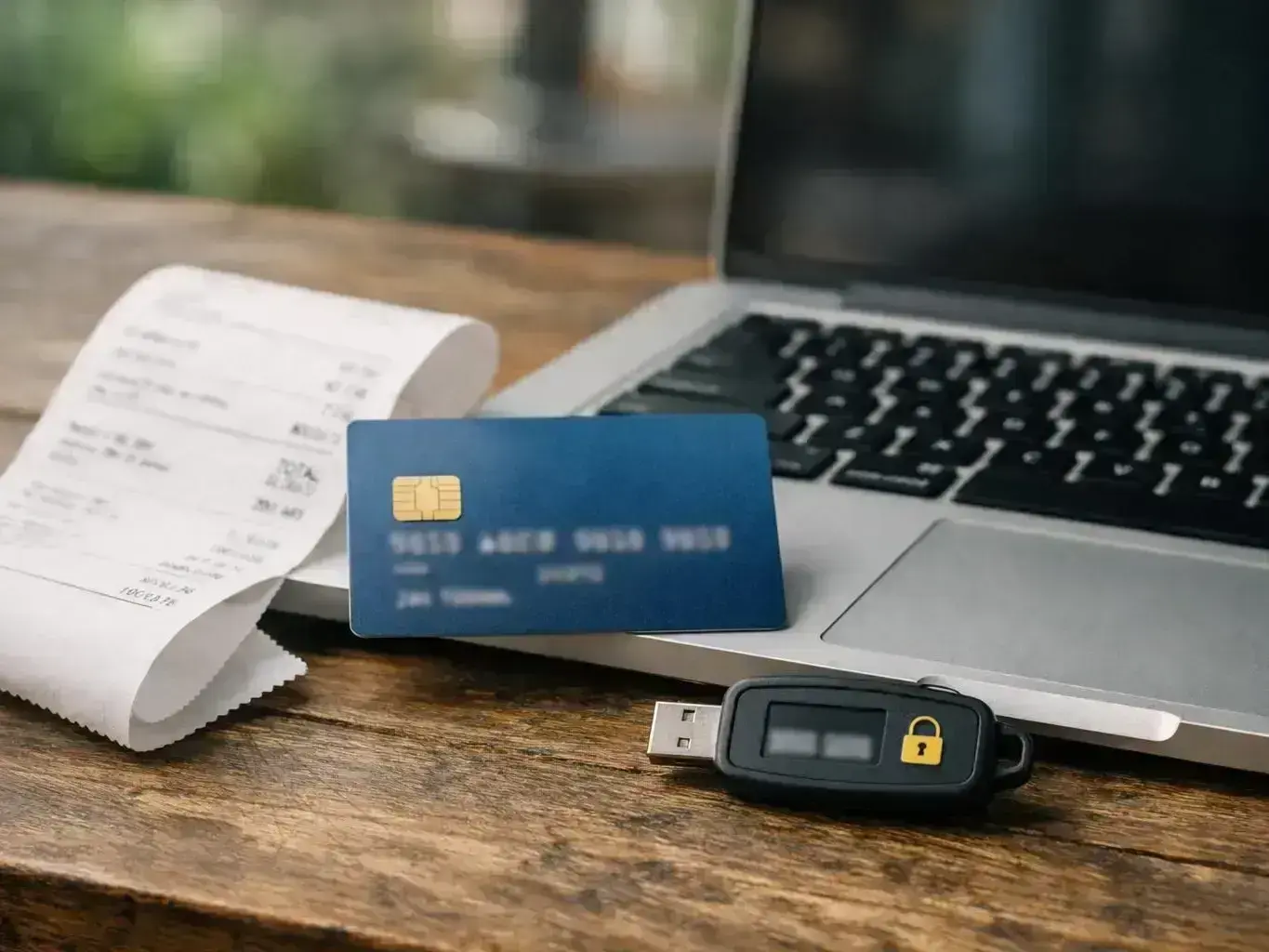
Card Verification Value (CVV) is a security mechanism designed to protect payment card transactions where the card is not physically presented to the merchant. This includes online purchases, telephone orders. And mail-order transactions, collectively known as card-not-present (CNP) transactions. The CVV code is a short numeric sequence, typically three or four digits, printed on the card itself—either on the back near the signature strip or on the front of the card, depending on the card brand.
Related glossary terms: Card Not Present, Payment Card Industry Data Security Standard, Address Verification Service.
The primary purpose of the CVV is to confirm that the person initiating the transaction has access to the physical card. Since the code is not embedded in the magnetic stripe or chip, it can't be captured through skimming devices or data breaches involving merchant databases. This makes it a critical tool for reducing fraud in environments where the cardholder cannot be physically verified, such as e-commerce or phone-based sales.
How Card Verification Value Works?
When a customer makes a card-not-present purchase, the merchant’s payment system prompts the customer to enter the CVV code along with the card number and expiration date. The code is then transmitted to the card issuer for validation. The issuer checks the code against its records to confirm that the entered value matches the one assigned to the card. If the codes match, the transaction is more likely to be approved; if they don't, the transaction may be declined or flagged for review.
Different card networks use different terms and locations for the CVV. Visa, Mastercard. And find cards display a three-digit code on the back of the card, known as CVV2 (Card Verification Value 2) or CVC2 (Card Verification Code 2). American Express cards display a four-digit code on the front, referred to as CID (Card Identification Number). Despite the variations, the function remains the same: to provide an additional layer of authentication for CNP transactions.
The CVV is not stored in merchant databases, payment gateways. Or receipts, in compliance with Payment Card Industry Data Security Standard (PCI DSS) requirements. This restriction ensures that even if a merchant’s system is compromised, the CVV code cannot be stolen and reused for fraudulent transactions. So merchants who require CVV for transactions often benefit from lower interchange fees and reduced chargeback risks.
Why Card Verification Value Matters?

Card Verification Value plays a crucial role in mitigating fraud in card-not-present transactions, which are inherently riskier than in-person transactions. Without the CVV, fraudsters who obtain stolen card numbers—such as through data breaches or phishing attacks—could use those numbers to make unauthorized purchases online or over the phone. By requiring the CVV, merchants add a layer of verification that's difficult for fraudsters to bypass, as the code is not stored in any electronic system associated with the card.
In practice, For merchants, using CVV verification can lead to lower transaction fees and reduced exposure to chargebacks. Payment processors and card networks often offer better pricing terms to merchants who put in place CVV checks, as these merchants demonstrate a commitment to fraud prevention. And transactions that include CVV verification are less likely to be disputed by cardholders, as the verification process provides evidence that the cardholder participated in the transaction.
When Card Verification Value Matters Most?
Card Verification Value is particularly important in industries and transaction types where card-not-present fraud is prevalent. E-commerce businesses, subscription services. And mail-order/telephone-order (MOTO) merchants rely heavily on CVV verification to protect against fraudulent transactions. For example, an online retailer processing hundreds of transactions daily without CVV checks may face higher chargeback rates and increased scrutiny from payment processors, potentially leading to account holds or termination.
CVV verification is also critical in recurring billing scenarios, such as subscription services or membership fees. While some recurring transactions may be exempt from CVV requirements after the initial purchase, merchants must still collect the CVV for the first transaction to establish the cardholder’s legitimacy. Failure to do so can result in higher fraud rates and increased operational costs due to chargeback disputes.
In regulated industries, such as healthcare or financial services, CVV verification may be required as part of broader compliance measures. For instance, merchants processing payments under the Health Insurance Portability and Accountability Act (HIPAA) or the Payment Card Industry Data Security Standard (PCI DSS) must put in place controls to protect cardholder data. And CVV verification is a key component of those controls. Even in less regulated sectors, merchants who ignore CVV verification expose themselves to unnecessary financial and reputational risks.