Understanding Address Verification Service
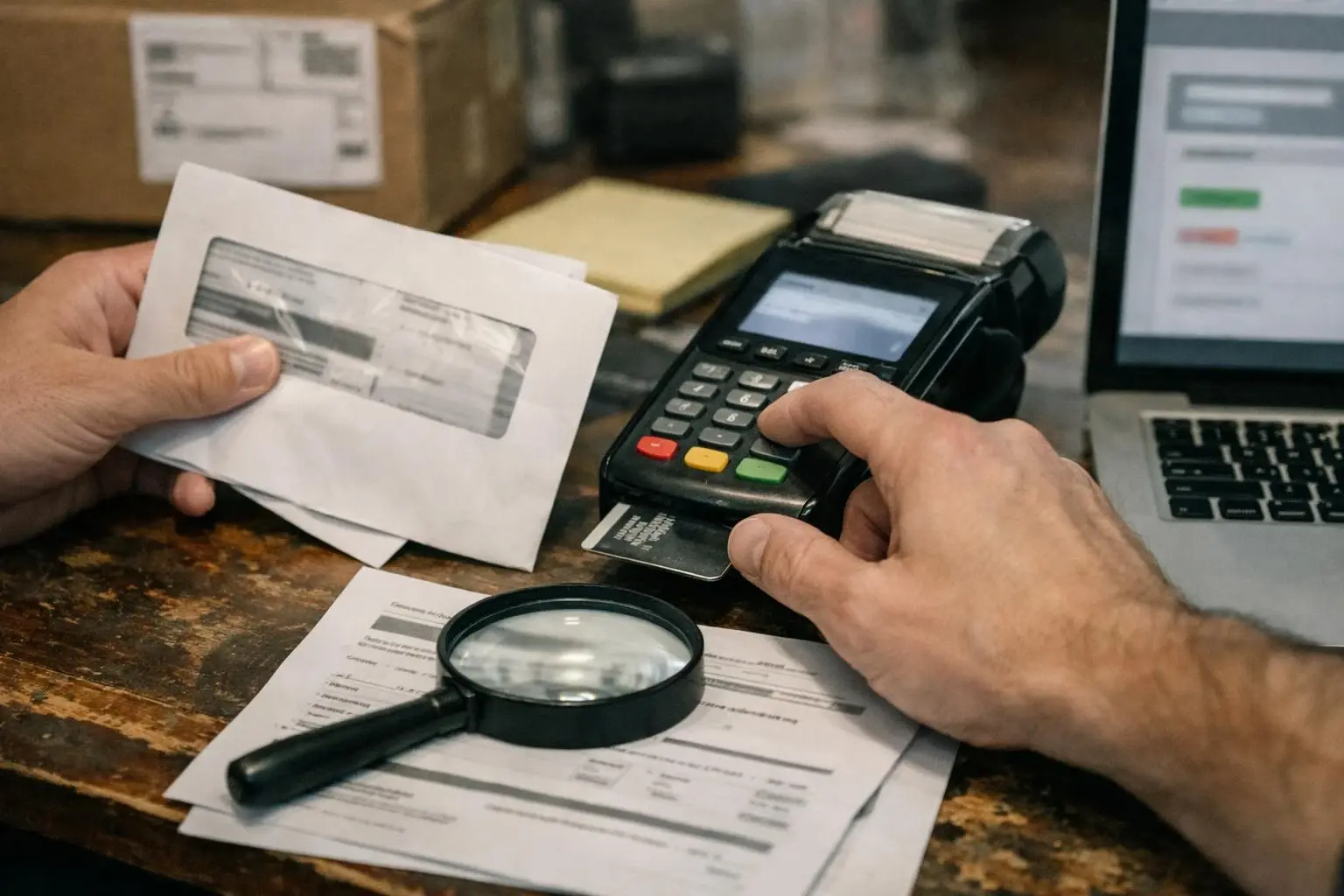
Address Verification Service (AVS) is a security feature integrated into credit and debit card processing systems to help merchants verify the legitimacy of transactions, particularly those conducted remotely. When a customer provides a billing address during checkout—such as for an online purchase—the AVS system compares the numeric elements of that address, like the street number and ZIP code, with the address stored by the card issuer. This comparison occurs in real time during the authorization request, allowing the merchant to receive immediate feedback on whether the address details align.
AVS is most valuable in card-not-present (CNP) environments, where the merchant can't physically inspect the card or verify the cardholder’s identity. Because CNP transactions carry a higher risk of fraud, AVS serves as a critical layer of protection. But AVS is not a standalone fraud-detection solution. Instead, it works alongside other tools like Card Verification Value (CVV) checks, device fingerprinting. And velocity monitoring to create a more full fraud-prevention strategy.
How Address Verification Service Works?
The AVS process begins when a customer enters their billing address during checkout. The payment gateway or processor sends this address information to the card issuer as part of the authorization request. The issuer then compares the provided address against the billing address on file for the card account. The comparison focuses on numeric components—street numbers and ZIP codes, rather than full street names or apartment numbers, which helps standardize the check across different address formats.
After the comparison, the issuer returns an AVS response code to the merchant. These codes indicate the level of match: for example, whether the ZIP code matches but the street address doesn't. Or whether both elements match exactly. Common AVS response codes include "Full Match," "Partial Match," "No Match," and "Unavailable," which may occur if the issuer does not support AVS or the address data is incomplete. Merchants can configure their payment systems to accept, reject. Or flag transactions based on these response codes, depending on their risk tolerance and fraud-prevention policies.
AVS is widely supported by major card networks like Visa, Mastercard, American Express. And find. Though the specific data elements checked and the response codes returned can vary slightly by issuer. For example, some issuers may check only the ZIP code. While others may verify both the street address and ZIP code. This variation underscores the importance of understanding how AVS works within the context of the merchant’s specific payment processing environment.
Why Address Verification Service Matters?

AVS plays a critical role in reducing fraudulent transactions, which can lead to costly chargebacks for merchants. When a merchant accepts a fraudulent transaction, they not only lose the value of the sale but may also incur chargeback fees, shipping costs. And potential penalties from payment processors. By using AVS to verify the billing address, merchants can identify and decline suspicious transactions before they're completed, reducing their exposure to fraud-related losses. That means particularly important for businesses that operate online, where the risk of fraud is inherently higher than in face-to-face transactions.
Beyond fraud prevention, AVS also helps merchants maintain compliance with payment card industry standards. While AVS is not explicitly required by the Payment Card Industry Data Security Standard (PCI DSS), it's considered a best practice for securing card-not-present transactions. Merchants who ignore AVS may face higher interchange fees, increased chargeback rates. And greater scrutiny from their payment processors. And AVS can improve the customer experience by reducing false declines, legitimate transactions that are mistakenly flagged as fraudulent, when used alongside other fraud-detection tools.
When Address Verification Service Matters Most?
AVS is most valuable in scenarios where the merchant cannot physically verify the card or the cardholder’s identity. This includes online stores, telephone orders, mail-order businesses. And subscription services that rely on recurring billing. For example, an e-commerce merchant selling high-value electronics may use AVS to screen orders for potential fraud, as these items are frequent targets for thieves using stolen card information. Similarly, a subscription-based business may use AVS to verify the billing address of new customers during the initial sign-up process to prevent fraudulent account creation.
Many projects start with AVS is also important for merchants operating in industries with historically high fraud rates, such as digital goods, travel. And luxury retail. In these sectors, fraudsters often target merchants because the products or services can be resold quickly or used immediately without physical delivery. By integrating AVS into their fraud-prevention workflows, these merchants can reduce their risk exposure while maintaining smooth transaction processing for legitimate customers. But merchants should be cautious about relying solely on AVS, as fraudsters can sometimes bypass it by using stolen address information or exploiting gaps in the issuer’s address verification process.