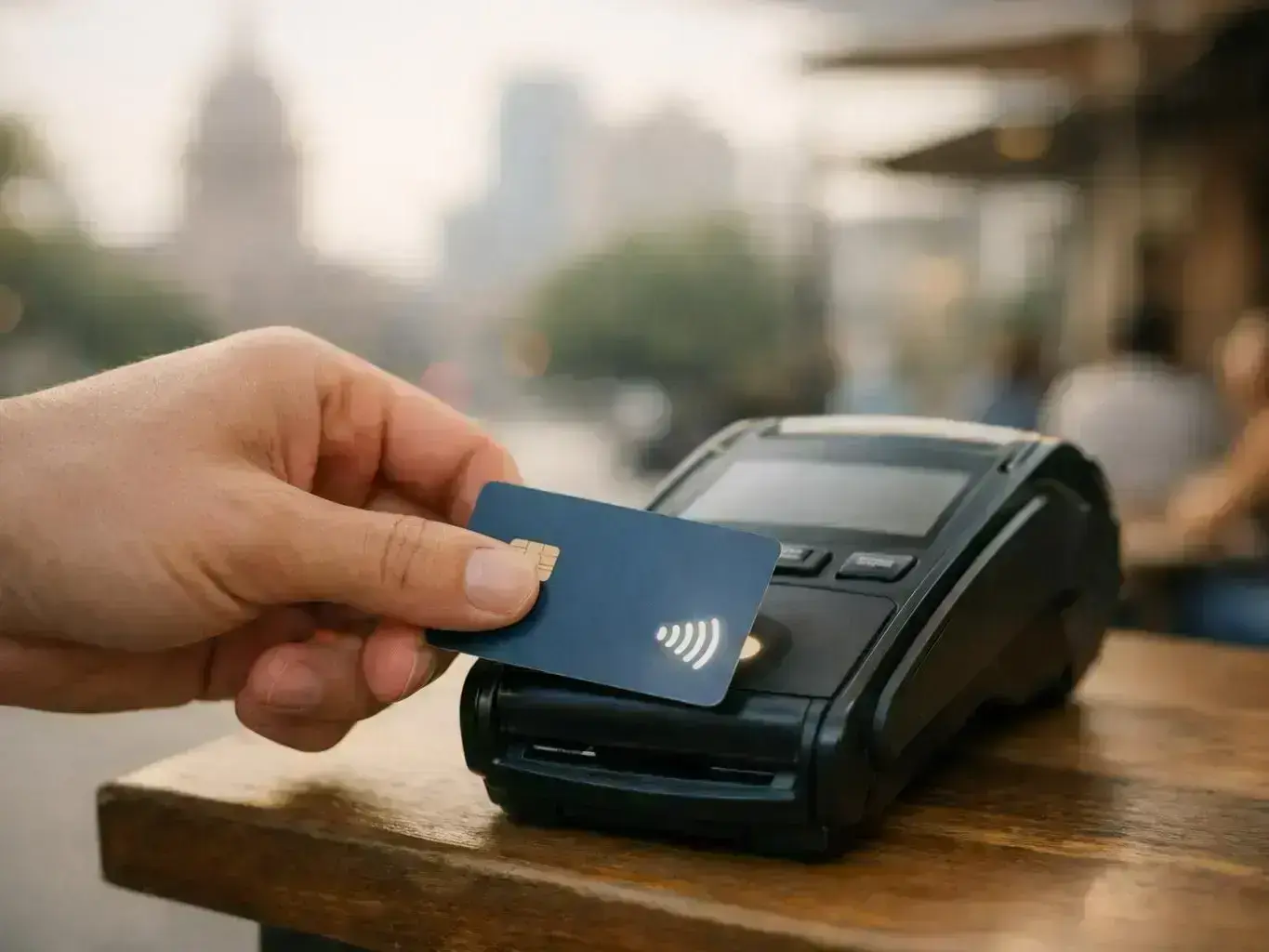
Understanding EMV Chip
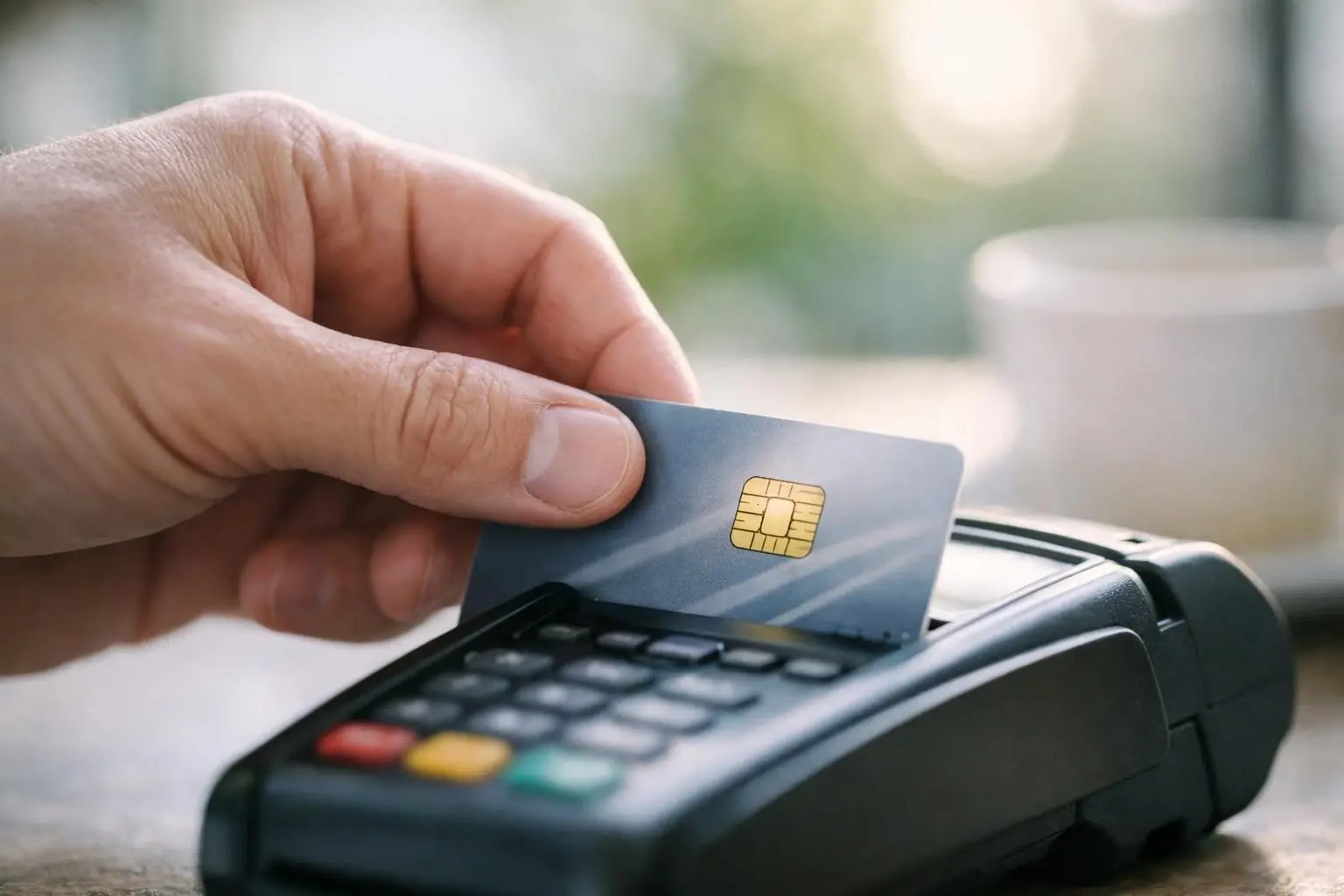
EMV Chip refers to the small, metallic square embedded in credit, debit. And prepaid cards that enhances security during in-person transactions. Unlike magnetic stripes, which store static data that can be easily copied, EMV Chips generate a unique, one-time code for each transaction. This dynamic authentication makes it nearly impossible for fraudsters to reuse stolen card information for counterfeit purchases. The technology is named after its developers—Europay, Mastercard. And Visa—and is managed by EMVCo, a global standards body that ensures interoperability across payment networks, card issuers. And merchants.
EMV Chips are a critical upgrade from older magnetic stripe technology, which has been vulnerable to skimming and cloning for decades. When a card with an EMV Chip is inserted into a compatible terminal, the chip communicates with the terminal to verify the card’s authenticity and create a unique transaction code. This process, known as "chip authentication," occurs in milliseconds and doesn't require an internet connection. While EMV Chips don't encrypt transaction data, the dynamic codes they generate render stolen data useless for future fraudulent transactions, significantly reducing counterfeit fraud rates.
How EMV Chip Works?
EMV Chip transactions follow a structured workflow to authenticate the card and authorize the payment. When a customer inserts their card into an EMV-enabled terminal, the chip and terminal establish a secure connection. The terminal sends a request to the chip, which generates a unique cryptogram—a dynamic code, based on the transaction details, such as the amount and merchant ID. This cryptogram is sent to the card issuer for verification, along with other transaction data. If the issuer approves the transaction, the payment is completed. And the terminal generates a receipt.
Many projects start with The process differs slightly depending on the verification method. For chip-and-PIN transactions, the customer enters a personal identification number (PIN) to confirm their identity, adding an extra layer of security. In chip-and-signature transactions, the customer signs a receipt instead of entering a PIN. Contactless EMV transactions, which use near-field communication (NFC), follow a similar process but occur wirelessly and typically do not require a PIN or signature for small purchases. Regardless of the method, the EMV Chip ensures that each transaction is unique, making it difficult for fraudsters to intercept and reuse payment data.
- Chip-and-PIN: Requires the cardholder to enter a PIN, common in Europe and other regions.
- Chip-and-Signature: Requires a signature, more common in the United States.
- Contactless: Uses NFC for tap-to-pay transactions, often without a PIN or signature for small amounts.
Why EMV Chip Matters?

EMV Chips play a crucial role in reducing payment card fraud, particularly counterfeit fraud, which occurs when criminals create fake cards using stolen card data. Before EMV adoption, magnetic stripe cards were easily cloned, leading to billions of dollars in annual fraud losses. Since the introduction of EMV Chips, counterfeit fraud has declined significantly in regions where EMV adoption is widespread. For example, in the United Kingdom, counterfeit fraud fell by over 70% within five years of EMV adoption. This shift has saved merchants, issuers. And consumers from financial losses and reduced the overall cost of fraud for the payments industry.
Beyond fraud reduction, EMV Chips also influence liability for fraudulent transactions. In many countries, including the United States, the liability for fraudulent transactions shifted to merchants who do not support EMV Chip transactions. If a merchant processes a transaction using a magnetic stripe instead of an EMV Chip, they may be held financially responsible for any resulting fraud. This liability shift incentivizes merchants to upgrade their terminals to EMV-compliant devices, further driving adoption and security improvements across the payments ecosystem.
When EMV Chip Matters Most?
EMV Chips are most critical in card-present transactions, where the physical card is used at a point-of-sale terminal. This includes retail stores, restaurants, gas stations. And any other location where customers swipe, dip. Or tap their cards to pay. Merchants in high-risk industries, such as electronics, jewelry. Or luxury goods, benefit significantly from EMV adoption because these sectors are frequent targets for fraud. And businesses that operate in regions with high fraud rates or strict regulatory requirements, such as Europe or Canada, must support EMV Chip transactions to avoid liability for fraudulent charges.
EMV Chips also matter during the transition from older payment methods. For example, when the United States migrated to EMV in 2015, merchants who failed to upgrade their terminals faced increased fraud risks and potential liability for fraudulent transactions. Even today, businesses that rely on outdated magnetic stripe readers may experience higher chargeback rates and financial losses. For card issuers, EMV Chips are essential for reducing fraud-related costs and maintaining customer trust. Without EMV support, issuers may face higher fraud losses, increased customer disputes. And reputational damage.
While EMV Chips are not required for online or card-not-present transactions, they indirectly benefit the broader payments ecosystem by reducing the availability of stolen card data. Fraudsters who can't use stolen data for in-person purchases may shift to online fraud. But EMV adoption has still contributed to an overall decline in payment card fraud globally.